On the occasion of World Farm Animals Day, observed on 2 October, we would like to highlight the close relationship between animal welfare and antibiotic use in livestock farming. Good living conditions and appropriate livestock management promote animal health, help prevent certain diseases and can reduce the need for antimicrobial treatments, thereby contributing to efforts to limit the emergence of resistance.
Animal welfare starts with prevention
Animal welfare goes far beyond providing farm animals with adequate food and shelter. It encompasses aspects such as comfort, hygiene, nutrition, freedom of movement, stress prevention and veterinary care.
On livestock farms, appropriate husbandry and management practices help maintain animal health and reduce the occurrence of certain diseases.
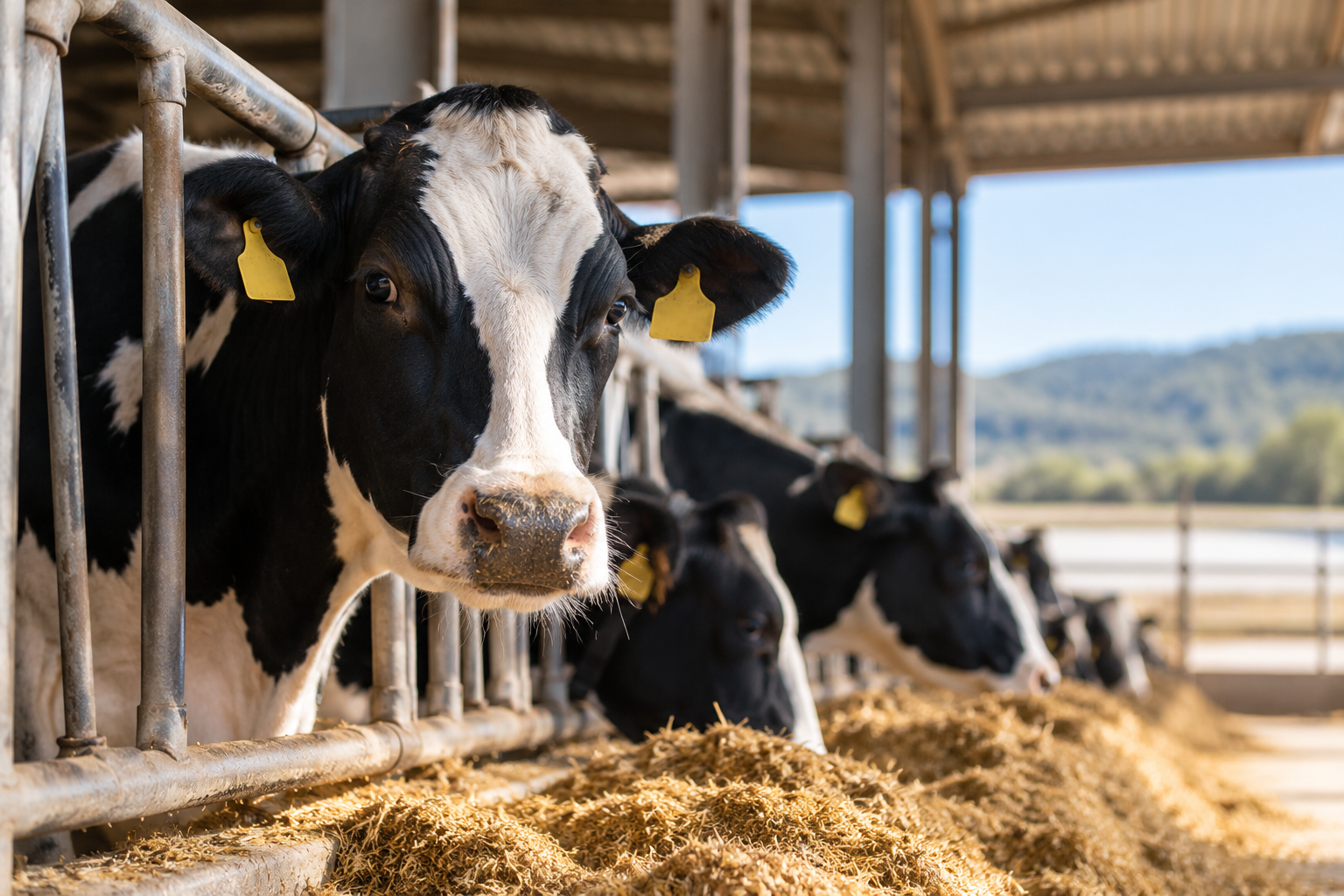
In dairy cattle, for example, proper milking hygiene, regular maintenance of facilities and animal health monitoring are important measures for preventing infections such as mastitis, one of the main reasons for antibiotic use in the dairy sector.
Prevention before treatment: an essential strategy
Antibiotics are essential medicines in veterinary practice, and their use is fully justified when a bacterial infection requires treatment.
However, preventing disease can reduce the need for these medicines, helping to preserve their effectiveness.
Key measures that support livestock health include:
– Maintaining appropriate hygiene and ventilation in livestock facilities.
– Ensuring a balanced diet and sufficient access to clean, high-quality water.
– Reducing stressful situations and improving animal comfort.
– Implementing disease prevention and veterinary health monitoring programmes.
– Identifying health problems early to enable timely and appropriate intervention.
These measures cannot eliminate the risk of disease entirely, but they help improve animal health and encourage more responsible antibiotic use.
What is the relationship between animal welfare and antimicrobial resistance?
Antibiotic use can promote the selection of resistant bacteria that are able to survive treatments that were previously effective.
Therefore, preventing avoidable infections and using antibiotics only when clinically indicated are two complementary strategies for tackling antimicrobial resistance.
Improving animal welfare can help reduce the incidence of certain diseases and, consequently, the need for antibiotic treatments.
The aim is not to avoid necessary medication, but to use it appropriately, supported by preventive measures, veterinary supervision and suitable diagnostic tools.
BOVIRAM: research for healthier livestock farming
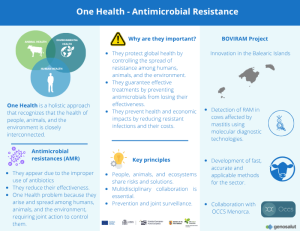
Disease prevention and the detection of antimicrobial resistance are two complementary components of responsible animal health management.
In this context, Genosalut Balears leads the BOVIRAM project, developed in collaboration with OCCS Menorca. The project aims to implement a rapid and accurate molecular diagnostic method to identify antimicrobial resistance in milk samples from dairy cattle in the Balearic Islands.
These tools can provide valuable information to improve veterinary decision-making, support more targeted antibiotic use and contribute to more sustainable livestock production.
On World Farm Animals Day, we would like to emphasise that investing in animal welfare, prevention and research also means investing in human health and environmental protection.
📍 BOVIRAM project, developed in collaboration with OCCS Menorca and co-funded by the European Union through the European Regional Development Fund (ERDF/FEDER).
#IBFonsEu #ibFEDERue #illessostenibles